


Introduction
Minnesota is widely known as the Land of 10,000 Lakes, but many people are surprised to learn that the state also features beautiful mountain-like landscapes, rugged hills, scenic bluffs, and elevated natural areas. While Minnesota may not have towering mountain ranges like Colorado or Alaska, it still offers breathtaking scenery that attracts hikers, campers, photographers, and nature lovers from around the world.
The topic of Minnesota mountains has become increasingly popular among travelers and outdoor enthusiasts. People often search for information about the highest points in Minnesota, hiking trails, scenic overlooks, and hidden natural attractions. From the dramatic cliffs along the North Shore of Lake Superior to the rolling hills of southeastern Minnesota, the state provides countless opportunities for adventure.
Minnesota mountains are perfect for people who enjoy outdoor recreation without needing extreme climbing experience. Visitors can explore peaceful trails, enjoy panoramic lake views, discover waterfalls, and experience the beauty of forests and wildlife. Whether you are planning a family vacation, a weekend hiking trip, or simply want to learn more about the geography of Minnesota, this guide will help you understand everything about the state’s elevated landscapes.
In this detailed article, you will discover the history of Minnesota mountains, the most famous peaks, hiking destinations, outdoor activities, travel tips, seasonal attractions, and much more. By the end, you will have a complete understanding of why Minnesota remains one of the best hidden outdoor destinations in the United States.
What Are Minnesota Mountains?
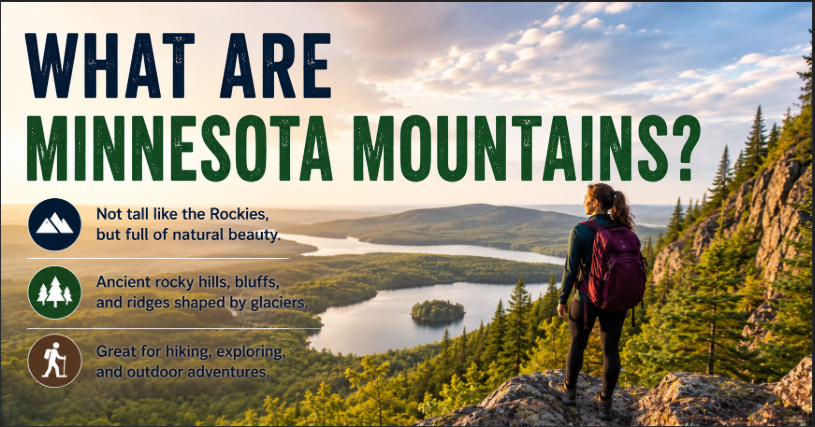
Minnesota mountains refer to the elevated natural landscapes found throughout the state. Although Minnesota does not contain massive mountain chains like the Rocky Mountains, it still has many rugged highlands, steep hills, rocky ridges, and elevated forest regions.
The most famous elevated area in Minnesota is the Sawtooth Mountains near Lake Superior. These rugged hills create dramatic scenery along the North Shore and attract thousands of visitors every year. The state is also home to Eagle Mountain, which is the highest natural point in Minnesota.
Many people debate whether Minnesota truly has mountains because the elevations are lower compared to western states. However, the natural beauty and outdoor experience are just as impressive. The combination of cliffs, forests, lakes, waterfalls, and scenic valleys gives Minnesota a unique landscape that feels mountainous in many areas.
Minnesota mountains were shaped over millions of years through geological activity and glacial movement. Ancient volcanic activity and ice-age glaciers helped create the rugged terrain visible today. These natural processes formed rocky ridges, deep valleys, and elevated plateaus across the state.
Today, Minnesota mountains serve as major tourist attractions. Visitors come to hike, camp, ski, photograph wildlife, and enjoy peaceful outdoor adventures. The region is especially popular during autumn when colorful leaves transform the landscape into a breathtaking natural display.
Why Minnesota Mountains Are Important
Minnesota mountains play an important role in tourism, environmental conservation, outdoor recreation, and regional culture. These natural landscapes provide benefits for both residents and visitors.
Support for Tourism
Minnesota mountains attract travelers from different parts of the United States. Tourists visit hiking trails, scenic parks, waterfalls, and nature reserves throughout the year. This tourism supports local businesses such as hotels, restaurants, outdoor gear shops, and tour companies.
Wildlife Protection
The forests and elevated regions around Minnesota mountains provide habitats for wildlife. Animals such as deer, black bears, wolves, foxes, and many bird species live in these natural environments.
Outdoor Recreation
Outdoor enthusiasts enjoy hiking, camping, mountain biking, skiing, snowshoeing, fishing, and kayaking in Minnesota’s elevated regions. These activities promote healthy lifestyles and encourage people to spend more time in nature.
Environmental Benefits
Minnesota mountains help protect ecosystems, preserve forests, and maintain natural water systems. The forests surrounding these areas improve air quality and support biodiversity.
Educational Value
Students, researchers, and geologists study Minnesota mountains to understand ancient geological history and glacial formations. These landscapes provide valuable scientific information.
History of Minnesota Mountains
The history of Minnesota mountains dates back billions of years. Ancient volcanic activity helped form some of the oldest rock formations in North America. Over time, glaciers shaped the terrain and created many of the lakes and valleys seen today.
During the Ice Age, massive glaciers covered much of Minnesota. As the glaciers moved, they carved valleys, transported rocks, and created rolling hills. When the glaciers melted, they left behind lakes, rivers, and rugged terrain.
Native American tribes lived throughout Minnesota for thousands of years before European settlement. Many tribes respected the natural landscapes and used the forests, rivers, and hills for hunting and travel.
Later, European explorers and settlers arrived in the region. Logging, mining, and railroad development helped expand communities near Minnesota mountains. Today, conservation efforts help protect these natural areas for future generations.
Famous Minnesota Mountains and Peaks
Eagle Mountain
Eagle Mountain is the highest point in Minnesota, standing at approximately 2,301 feet above sea level. It is located in Cook County within the Boundary Waters Canoe Area Wilderness.
The hike to Eagle Mountain is one of the most popular outdoor adventures in the state. Visitors enjoy scenic forests, rocky terrain, and peaceful lakes along the trail.
Sawtooth Mountains
The Sawtooth Mountains are among the most famous mountain-like regions in Minnesota. These rugged hills run along the North Shore of Lake Superior.
The area offers incredible views, waterfalls, hiking trails, and outdoor recreation opportunities. The landscape becomes especially beautiful during fall.
Misquah Hills
The Misquah Hills are located in northeastern Minnesota and contain several elevated peaks. The region is known for forests, lakes, and remote wilderness areas.
Spirit Mountain
Spirit Mountain near Duluth is a popular destination for skiing, mountain biking, and outdoor adventure activities.
Carlton Peak
Carlton Peak is a scenic hiking destination near Tofte, Minnesota. The summit offers panoramic views of Lake Superior and surrounding forests.
Best Hiking Trails in Minnesota Mountains
Superior Hiking Trail
The Superior Hiking Trail stretches for hundreds of miles along Minnesota’s North Shore. It passes through forests, rivers, waterfalls, and elevated ridges.
Hikers enjoy breathtaking views of Lake Superior throughout the journey.
Eagle Mountain Trail
This trail leads visitors to the highest point in Minnesota. The route includes rocky paths, forests, and scenic landscapes.
Oberg Mountain Trail
Oberg Mountain Trail is famous for its scenic overlooks and autumn colors. It is one of the best short hikes in Minnesota.
Tettegouche State Park Trails
Tettegouche State Park contains rugged cliffs, waterfalls, and hiking routes suitable for different skill levels.
Split Rock Lighthouse Trails
These trails combine beautiful lake views with historical attractions. Visitors can explore nature while learning about the famous lighthouse.
Outdoor Activities in Minnesota Mountains
Minnesota mountains offer activities for every season.
Hiking
Hiking is one of the most popular activities. Trails range from easy family walks to challenging wilderness routes.
Camping
Campgrounds near Minnesota mountains allow visitors to experience peaceful nights surrounded by nature.
Fishing
Many lakes and rivers near mountainous regions provide excellent fishing opportunities.
Wildlife Watching
Nature lovers can observe birds, deer, foxes, and other wildlife.
Mountain Biking
Several parks feature biking trails for beginners and experienced riders.
Skiing and Snowboarding
During winter, Minnesota mountains become popular destinations for skiing and snowboarding.
Photography
Photographers visit Minnesota mountains to capture waterfalls, forests, wildlife, and autumn colors.
Best Time to Visit Minnesota Mountains
Spring
Spring brings blooming flowers, flowing waterfalls, and mild temperatures.
Summer
Summer is ideal for hiking, camping, and outdoor exploration.
Fall
Fall is considered the best season because colorful leaves transform the forests into vibrant landscapes.
Winter
Winter offers snow-covered scenery, skiing, snowshoeing, and peaceful wilderness experiences.
Minnesota Mountains and Lake Superior
Lake Superior plays a major role in shaping Minnesota’s mountainous landscapes. The cliffs and ridges along the North Shore create dramatic scenery.
Visitors can enjoy hiking trails overlooking the lake, waterfalls flowing into rivers, and scenic drives along Highway 61.
Scenic Drives Near Minnesota Mountains
North Shore Scenic Drive
This famous route follows Lake Superior and passes through forests, cliffs, waterfalls, and charming towns.
Gunflint Trail
The Gunflint Trail offers access to wilderness areas, lakes, and remote outdoor destinations.
Skyline Parkway
Located near Duluth, Skyline Parkway provides panoramic views of forests and Lake Superior.
Waterfalls Near Minnesota Mountains
Minnesota mountains are home to many beautiful waterfalls.
Gooseberry Falls
Gooseberry Falls is one of the most visited waterfalls in Minnesota.
High Falls
High Falls at Grand Portage is the tallest waterfall in the state.
Cascade Falls
Cascade Falls features multiple levels and scenic hiking paths.
Devil’s Kettle
Devil’s Kettle is a mysterious waterfall attraction located in Judge C. R. Magney State Park.
Wildlife Found in Minnesota Mountains
The forests surrounding Minnesota mountains support diverse wildlife.
Black Bears
Black bears are commonly found in northeastern Minnesota forests.
Wolves
Minnesota contains one of the largest wolf populations in the United States.
Moose
Moose can occasionally be seen in remote wilderness areas.
Bald Eagles
Bald eagles are frequently spotted near lakes and rivers.
Deer and Foxes
White-tailed deer and foxes are common throughout Minnesota.
Camping Near Minnesota Mountains
Camping allows visitors to fully experience nature.
State Parks
Minnesota state parks provide campgrounds with facilities and scenic locations.
Wilderness Camping
Backcountry camping offers a more adventurous experience.
RV Camping
Several campgrounds accommodate RV travelers.
Travel Tips for Visiting Minnesota Mountains
Prepare for Weather Changes
Weather conditions can change quickly, especially near Lake Superior.
Bring Proper Hiking Gear
Comfortable shoes, water, maps, and safety equipment are important.
Respect Wildlife
Visitors should avoid disturbing animals and follow park rules.
Plan Ahead
Popular destinations may become crowded during peak seasons.
Stay on Marked Trails
Staying on designated trails helps protect nature and ensures safety.
Minnesota Mountains for Families
Minnesota mountains provide excellent family-friendly adventures.
Children can enjoy nature walks, wildlife observation, camping, and educational programs. Many parks offer beginner-friendly hiking trails suitable for all ages.
Hidden Gems in Minnesota Mountains
George Crosby Manitou State Park
This remote park features rugged trails and peaceful forests.
Temperance River State Park
Visitors enjoy waterfalls, hiking, and scenic river views.
Bean and Bear Lakes
These lakes provide some of the most photographed views in Minnesota.
Palisade Head
Palisade Head offers dramatic cliff views overlooking Lake Superior.
Minnesota Mountains and Fall Colors
Autumn is one of the most popular seasons in Minnesota.
The forests transform into shades of red, orange, and yellow. Scenic overlooks become crowded with photographers and travelers seeking beautiful fall landscapes.
Winter Adventures in Minnesota Mountains
Winter creates a completely different experience.
Snowshoeing
Snowshoeing trails allow visitors to explore snowy forests.
Cross-Country Skiing
Minnesota has many skiing routes suitable for different skill levels.
Ice Fishing
Frozen lakes become popular destinations for ice fishing.
Winter Photography
Snow-covered landscapes create stunning photography opportunities.
Conservation of Minnesota Mountains
Protecting Minnesota mountains is essential for future generations.
Environmental organizations and state parks work to preserve forests, wildlife habitats, and water systems. Visitors are encouraged to follow Leave No Trace principles.
Benefits of Visiting Minnesota Mountains
- Beautiful natural scenery
- Peaceful outdoor experiences
- Excellent hiking opportunities
- Family-friendly adventures
- Wildlife observation
- Camping and fishing activities
- Seasonal beauty throughout the year
- Photography opportunities
- Healthy outdoor recreation
- Educational experiences
Disadvantages of Minnesota Mountains
- Harsh winter weather in some areas
- Mosquitoes during summer months
- Remote locations may have limited services
- Some trails can be physically challenging
- Wildlife encounters require caution
Minnesota Mountains for Adventure Travelers
Adventure travelers often choose Minnesota for wilderness experiences. Activities such as kayaking, backpacking, canoeing, rock climbing, and mountain biking create exciting opportunities.
Best Towns Near Minnesota Mountains
Duluth
Duluth serves as a gateway to the North Shore and outdoor adventures.
Grand Marais
Grand Marais is a charming lakeside town popular with artists and travelers.
Two Harbors
Two Harbors offers access to parks, hiking trails, and scenic views.
Lutsen
Lutsen is famous for skiing and outdoor recreation.
Minnesota Mountains and Photography
Photographers love Minnesota mountains because of the changing seasons, waterfalls, forests, and lake views.
Sunrise and sunset near Lake Superior create especially dramatic lighting conditions.
Minnesota Mountains for Beginners
Minnesota is ideal for beginner hikers because many trails are accessible and less dangerous than extreme mountain environments.
Visitors can enjoy beautiful scenery without requiring advanced climbing skills.
Comparing Minnesota Mountains to Other States
Minnesota mountains are smaller compared to the Rocky Mountains or Appalachian Mountains. However, the state offers a unique combination of forests, lakes, cliffs, and peaceful wilderness.
The scenery feels less crowded and more relaxing than many major mountain destinations.
Future of Tourism in Minnesota Mountains
Tourism continues to grow as more people search for outdoor destinations.
Eco-tourism, sustainable travel, and nature-based recreation are expected to increase in popularity.
Final Thoughts
Minnesota mountains provide a unique outdoor experience filled with natural beauty, peaceful landscapes, and exciting adventures. From Eagle Mountain and the Sawtooth Mountains to scenic hiking trails and waterfalls, the state offers countless opportunities for travelers.
Whether you enjoy hiking, camping, photography, wildlife observation, or simply relaxing in nature, Minnesota mountains have something special for everyone. The combination of forests, lakes, cliffs, and changing seasons creates unforgettable scenery throughout the year.
As more travelers discover the beauty of Minnesota, these natural landscapes continue to grow in popularity. By respecting nature and supporting conservation efforts, visitors can help protect these incredible destinations for future generations.
Minnesota mountains may not be the tallest in America, but they remain among the most beautiful and rewarding outdoor destinations for people seeking adventure, relaxation, and unforgettable natural experiences.
